Blog/Logistics & Supply Chain

Landed Cost Calculation for Imports: Build a Model You Can Trust

Build a landed cost model covering freight, insurance, duty, port and inland charges so importers price, quote and compare suppliers accurately.
By Sagar Makker · 7 min read · October 2026
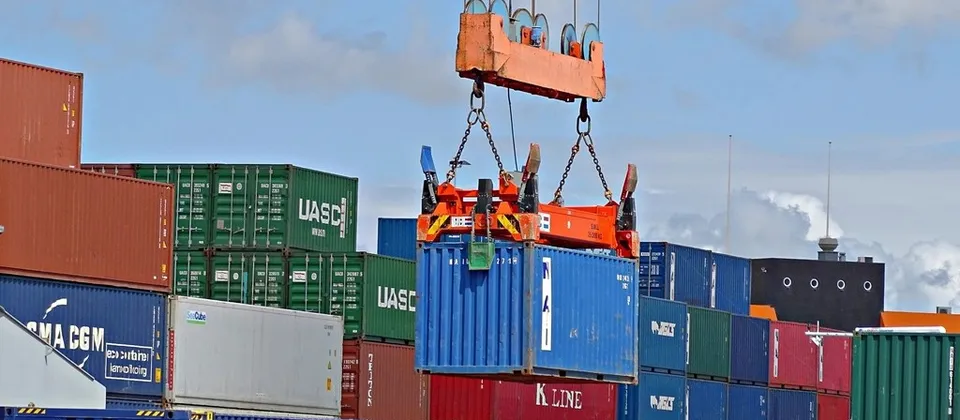
Free cargo shipping container image
In short
List every cost element from supplier price to your warehouse door
Use current duty, freight and exchange rates with a clear source and date
Compare estimated and actual landed cost on every shipment and update the model
The problem

This is for importers, procurement heads, finance controllers and forwarders who advise them. Landed cost decides whether a supplier is really cheaper, whether a product makes margin and how a forwarder's quote compares. Many estimates still leave out port, CFS, detention or inland costs, or use stale exchange and duty rates. This post shows how to build a landed cost model with every element, keep it current, and compare estimate with actual so it improves over time.

Procurement compares two suppliers on unit price and chooses the cheaper one. The first shipment lands, and finance discovers that freight from that origin, a higher duty on the specific item and longer CFS dwell have wiped out the saving. Nobody had built a full landed cost before the decision was made.

Even when a costing sheet exists, it was built years ago by someone who has moved on. It uses an old exchange rate, a flat percentage for port charges and no line for detention or inland transport. Sales quotes customers from these numbers, and margins drift without anyone seeing why until the year-end accounts arrive.

Why it happens
01Supplier unit price is used for decisions instead of full landed cost
02Port, CFS, detention and inland charges are left out or guessed
03Duty and exchange rates in costing sheets are outdated
04No comparison of estimated and actual landed cost after arrival
05Ownership of the costing model is unclear between procurement and finance
How to fix it
1
List every cost element
The finance controller lists every element from supplier price to warehouse: incoterm-related costs, freight, insurance, customs duty and taxes, broker fees, port and CFS charges, DO and line charges, detention allowance, inland transport and handling.
2
Source current rates with dates
Procurement or the EXIM team records freight quotes, duty rates by HS code, exchange rate source and date for each estimate. Check current duty rates and any input tax credit treatment with your compliance team or tax adviser.
3
Build the model per product
The finance controller builds a model per product and supplier, allocating shared charges by a basis you choose, such as value, weight or volume. Document the basis so everyone reads the numbers the same way.
4
Compare estimate to actual
After each shipment, the accounts team pulls actual invoices for freight, duty, port, CFS and transport and compares them to the estimate. Differences above a threshold you set are reviewed with procurement.
5
Update and share the model
Each quarter, or when a major rate changes, the model owner updates the rates and shares the revised landed costs with procurement and sales, so supplier choices and customer quotes use current numbers.
Worked example
A distributor importing electrical products

A Bengaluru distributor importing electrical fittings from two countries priced its products from an old costing sheet with a flat allowance for port charges. Before, supplier choices were made on unit price and margins drifted without explanation. The finance controller listed every cost element, sourced current freight and duty rates with dates, and built a model per product and supplier. After each shipment, actual costs were compared with the estimate. The comparisons showed that CFS and inland charges on one route were consistently higher than assumed. The company adjusted its supplier mix and customer pricing, and margin reviews began matching what the costing sheet predicted.

Common mistakes
×
Comparing suppliers on unit price alone
Freight, duty and port costs differ by origin and product. Compare full landed cost per unit before choosing a supplier or quoting a customer.
×
Using flat percentages for local charges
Port, CFS and transport costs vary by port, cargo and dwell time. Use actual recent invoices to set allowances and revisit them regularly.
×
Never checking estimates against actuals
Without comparison, errors repeat on every shipment. Reconcile estimate to actual after arrival and update the model where gaps recur.
Where an AI agent helps
Input
Supplier quotes, freight rates, duty rates, exchange rates and shipment invoices
Agent does
Calculates landed cost per product, compares estimate with actual and flags elements that drift
Human gate
Finance controller approves model updates and revised landed costs
Outcome
A landed cost sheet per product plus an estimate-versus-actual report
Checklist
List every landed cost element from supplier to warehouse
Record the source and date of every rate used
Document how shared charges are allocated to products
Compare estimated and actual cost after each shipment
Update the model quarterly or after major rate changes
Share current landed costs with procurement and sales
What to measure
Estimate vs actual variance per shipment
Products with landed cost updated in quarter
Cost elements most often underestimated
Gross margin on imports versus plan
Questions
Should GST on imports be included in landed cost?

It depends on whether you can claim input tax credit and how your finance team treats recoverable taxes. Many businesses show it separately. Confirm the right treatment for your situation with your tax adviser before building it into the model.

How do we allocate freight across several products in one container?

Pick a basis that reflects what drives cost, such as weight, volume or value, and apply it consistently. Document the basis in the model so procurement, finance and sales interpret per-unit costs the same way.

How do we handle exchange rate changes between order and payment?

Record the rate used in the estimate and the rate actually applied, and show the difference separately. If exposure is significant, discuss hedging policy with finance rather than adjusting the landed cost model every week.

Can our forwarder help build the landed cost model?

Yes, forwarders and brokers can supply freight, port, CFS and clearance estimates, and often know local charges well. Ownership of the model should still sit with your finance team, since it drives your pricing decisions.

Keep reading
All posts →
Free cargo shipping container imageLogistics & Supply Chain
Normalising Carrier Rate Sheets So You Can Compare Rates Fairly
5 min readRead →
Colorful shipping containers shipping terminalLogistics & Supply Chain
Answering Freight RFQs in Minutes Instead of Days: A Practical Setup
4 min readRead →
Colorful shipping containers shipping terminalLogistics & Supply Chain
Shipping Bill and Bill of Entry Prep: Pre-Filing Checks That Work
7 min readRead →
Next step

Want this fixed in your business?

Send the workflow. You get a scope and a fixed price within two working days — or a straight answer that it isn't a fit.

Secure by default · find → fix → verify · authorised scope only
Send a brief →enquiry@xdqlabs.com