10 AI agent use cases for maritime and shipping companies
From laytime and demurrage to crew certificates: where document-heavy shipping operations lose money, and what an agent with a human gate can do about each one.
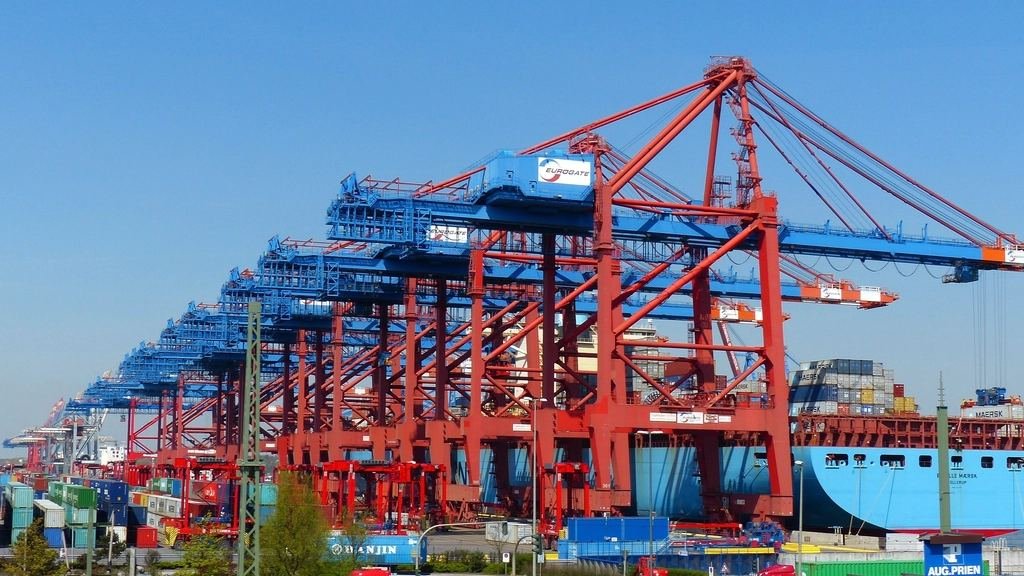
Shipping runs on documents with deadlines: statements of fact, charter parties, notices of readiness, bunker invoices, crew certificates. Most of the money lost in a voyage is lost because someone did not have time to read one of them carefully. Below are ten places where an AI agent — reading, drafting and routing, with a human approving every action — pays for itself quickly. None of these replace the operator; all of them give the operator back hours.
Laytime and demurrage calculation
Extract every event from the statement of fact, apply the charter's laytime terms and produce a time sheet with each entry linked to its source line. The claim is drafted, not sent.
Charter party clause extraction
Turn each fixture into structured fields — laycan, laytime, demurrage and despatch rates, notice provisions, exceptions — so that operations can search and compare across fixtures instead of re-reading PDFs.
Port-call coordination
Read arrival notices, pro-forma disbursement accounts and terminal updates from agents and keep one timeline per call, escalating slippage to the owner's operator before it becomes a claim.
Crew certificate compliance
Track STCW certificates, medicals, visas and flag endorsements per seafarer against planned crew changes; flag expiries months ahead, not at the gangway.
Bunker and port invoice reconciliation
Match bunker delivery notes, port disbursement accounts and agency invoices to the voyage budget; post the matches, queue the exceptions with the difference highlighted.
Enquiry-to-quote for cargo and chartering
Answer cargo enquiries on email or WhatsApp with a first indicative quote drafted from your rate logic, and route firm interest to the broker or chartering desk.
Bill of lading and cargo document checks
Compare bills of lading, mate's receipts and cargo manifests for inconsistencies before release, with the discrepancy and its source page shown to the person who decides.
Voyage P&L assembly
Assemble the estimated and actual voyage result from fixtures, invoices and hire statements as they arrive, so the post-voyage review is a check rather than a reconstruction.
Planned-maintenance escalation
Read PMS and defect reports, summarise overdue items by vessel and route them to the superintendent with the spares and dock windows attached.
Receivables follow-up
Freight, hire and demurrage invoices followed up through a defined escalation path, with tone and timing rules per counterparty and a human approving every escalation.
Every one of these starts as a single workflow with a measurable outcome — hours saved per voyage, days shaved off a demurrage claim, exceptions caught before payment. That is how we scope them. See the maritime industry page or send the workflow to enquiry@xdqlabs.com.
10 fintech companies in India every B2B founder should study in 2026
What Razorpay, Zerodha, PhonePe and seven others get right about speed, trust and distribution — and the agent opportunities each pattern opens for the companies selling to them.

Why Indian hospitals lose revenue before the claim is even filed
The five rejection patterns we see most in claim data, and the pre-submission checks that stop them.

Speed-to-lead: what happens to an enquiry in the first five minutes
Why the first reply wins in real estate, lending and logistics, and how an inbound agent answers in seconds without sounding like a bot.
Want this built for your company?
A short brief to enquiry@xdqlabs.com gets a scope and a fixed price within two working days — or a straight answer that it isn't a fit.